🎉 Up to 70% Off Selected ItemsShop Sale
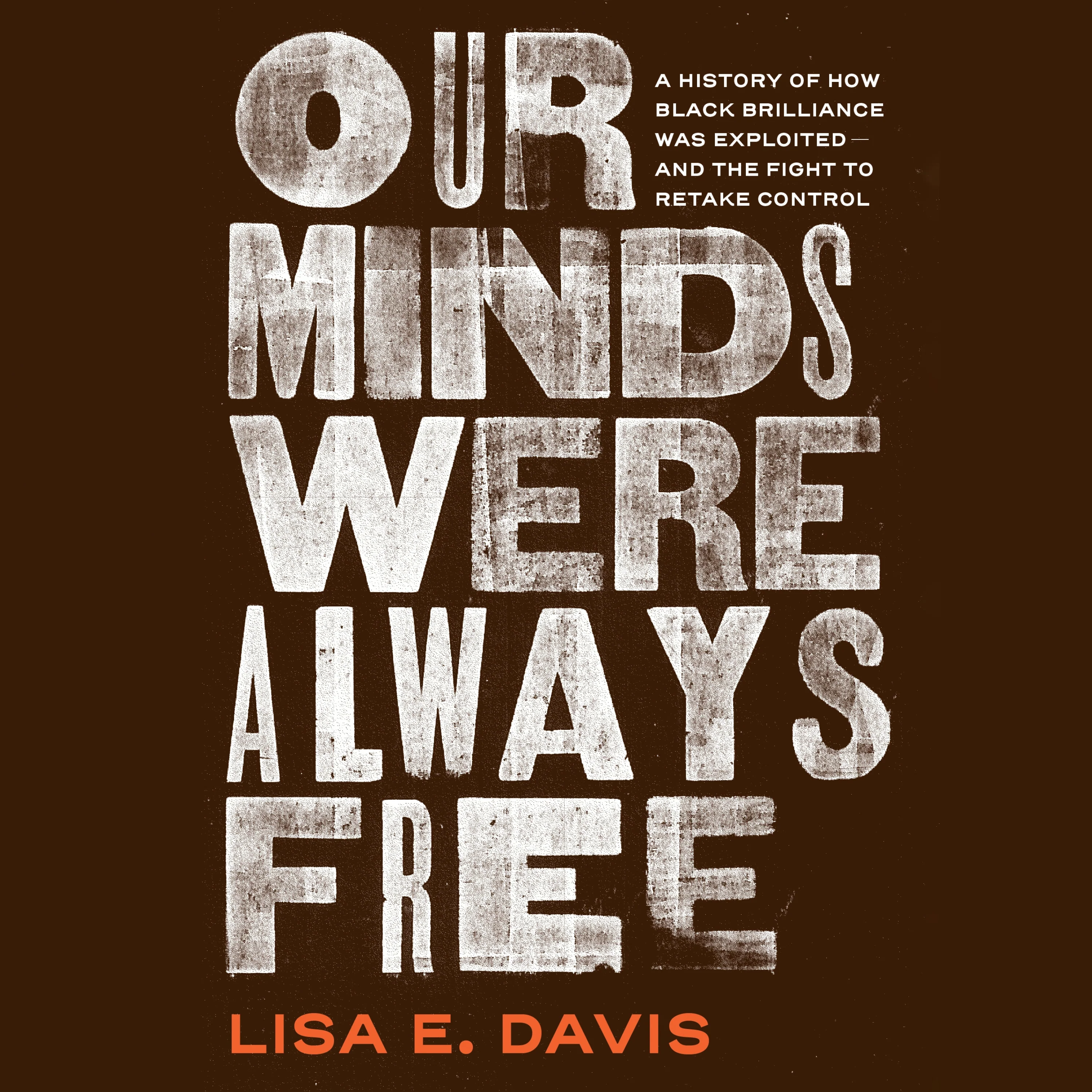
Our Minds Were Always Free
An exploration of how African American innovators and artists—whose impact and financial value in American music, movies, and TV is disproportionately greater than their numbers—have fought for and often won the rights to own and benefit from their own work.
When we think about the things that have barred success for African Americans, intellectual property law is hardly the first thing that comes to mind, if we even think of it all. We certainly don’t think of it as the launching pad for building generational wealth in the Black community, so it follows that we don’t see our favorite pop stars as revolutionary race warriors.
African American artists have finally, belatedly, come to be the owners of their art and beneficiaries of the money their art makes, after centuries of producing life-changing art. There were hundreds and thousands of Bessie Smiths before we ever got Beyoncé or Kendrick Lamar.
Lisa E. Davis, one of the foremost entertainment attorneys in the country, traces the epic journey Black Americans have been on, from being claimed as property to claiming the benefits of intellectual property. As she notes, “Under slavery, our minds were always free, but there was no profit from what our minds created.”
Beginning in the 18th century with the drafting of the Constitution and ending in the 21st century with a warning about the role technology will play in creative industries, Our Minds Were Always Free tells the story of the indelible legacy of Black American genius and the struggle to receive the credit and the profit that they deserved.
When we think about the things that have barred success for African Americans, intellectual property law is hardly the first thing that comes to mind, if we even think of it all. We certainly don’t think of it as the launching pad for building generational wealth in the Black community, so it follows that we don’t see our favorite pop stars as revolutionary race warriors.
African American artists have finally, belatedly, come to be the owners of their art and beneficiaries of the money their art makes, after centuries of producing life-changing art. There were hundreds and thousands of Bessie Smiths before we ever got Beyoncé or Kendrick Lamar.
Lisa E. Davis, one of the foremost entertainment attorneys in the country, traces the epic journey Black Americans have been on, from being claimed as property to claiming the benefits of intellectual property. As she notes, “Under slavery, our minds were always free, but there was no profit from what our minds created.”
Beginning in the 18th century with the drafting of the Constitution and ending in the 21st century with a warning about the role technology will play in creative industries, Our Minds Were Always Free tells the story of the indelible legacy of Black American genius and the struggle to receive the credit and the profit that they deserved.
An exploration of how African American innovators and artists—whose impact and financial value in American music, movies, and TV is disproportionately greater than their numbers—have fought for and often won the rights to own and benefit from their own work.
When we think about the things that have barred success for African Americans, intellectual property law is hardly the first thing that comes to mind, if we even think of it all. We certainly don’t think of it as the launching pad for building generational wealth in the Black community, so it follows that we don’t see our favorite pop stars as revolutionary race warriors.
African American artists have finally, belatedly, come to be the owners of their art and beneficiaries of the money their art makes, after centuries of producing life-changing art. There were hundreds and thousands of Bessie Smiths before we ever got Beyoncé or Kendrick Lamar.
Lisa E. Davis, one of the foremost entertainment attorneys in the country, traces the epic journey Black Americans have been on, from being claimed as property to claiming the benefits of intellectual property. As she notes, “Under slavery, our minds were always free, but there was no profit from what our minds created.”
Beginning in the 18th century with the drafting of the Constitution and ending in the 21st century with a warning about the role technology will play in creative industries, Our Minds Were Always Free tells the story of the indelible legacy of Black American genius and the struggle to receive the credit and the profit that they deserved.
When we think about the things that have barred success for African Americans, intellectual property law is hardly the first thing that comes to mind, if we even think of it all. We certainly don’t think of it as the launching pad for building generational wealth in the Black community, so it follows that we don’t see our favorite pop stars as revolutionary race warriors.
African American artists have finally, belatedly, come to be the owners of their art and beneficiaries of the money their art makes, after centuries of producing life-changing art. There were hundreds and thousands of Bessie Smiths before we ever got Beyoncé or Kendrick Lamar.
Lisa E. Davis, one of the foremost entertainment attorneys in the country, traces the epic journey Black Americans have been on, from being claimed as property to claiming the benefits of intellectual property. As she notes, “Under slavery, our minds were always free, but there was no profit from what our minds created.”
Beginning in the 18th century with the drafting of the Constitution and ending in the 21st century with a warning about the role technology will play in creative industries, Our Minds Were Always Free tells the story of the indelible legacy of Black American genius and the struggle to receive the credit and the profit that they deserved.
Select Format
From $8.40
Original: $23.99
-65%Our Minds Were Always Free—
$23.99
$8.40Description
An exploration of how African American innovators and artists—whose impact and financial value in American music, movies, and TV is disproportionately greater than their numbers—have fought for and often won the rights to own and benefit from their own work.
When we think about the things that have barred success for African Americans, intellectual property law is hardly the first thing that comes to mind, if we even think of it all. We certainly don’t think of it as the launching pad for building generational wealth in the Black community, so it follows that we don’t see our favorite pop stars as revolutionary race warriors.
African American artists have finally, belatedly, come to be the owners of their art and beneficiaries of the money their art makes, after centuries of producing life-changing art. There were hundreds and thousands of Bessie Smiths before we ever got Beyoncé or Kendrick Lamar.
Lisa E. Davis, one of the foremost entertainment attorneys in the country, traces the epic journey Black Americans have been on, from being claimed as property to claiming the benefits of intellectual property. As she notes, “Under slavery, our minds were always free, but there was no profit from what our minds created.”
Beginning in the 18th century with the drafting of the Constitution and ending in the 21st century with a warning about the role technology will play in creative industries, Our Minds Were Always Free tells the story of the indelible legacy of Black American genius and the struggle to receive the credit and the profit that they deserved.
When we think about the things that have barred success for African Americans, intellectual property law is hardly the first thing that comes to mind, if we even think of it all. We certainly don’t think of it as the launching pad for building generational wealth in the Black community, so it follows that we don’t see our favorite pop stars as revolutionary race warriors.
African American artists have finally, belatedly, come to be the owners of their art and beneficiaries of the money their art makes, after centuries of producing life-changing art. There were hundreds and thousands of Bessie Smiths before we ever got Beyoncé or Kendrick Lamar.
Lisa E. Davis, one of the foremost entertainment attorneys in the country, traces the epic journey Black Americans have been on, from being claimed as property to claiming the benefits of intellectual property. As she notes, “Under slavery, our minds were always free, but there was no profit from what our minds created.”
Beginning in the 18th century with the drafting of the Constitution and ending in the 21st century with a warning about the role technology will play in creative industries, Our Minds Were Always Free tells the story of the indelible legacy of Black American genius and the struggle to receive the credit and the profit that they deserved.